

Starting to invest can seem complicated when you are faced with stocks, bonds, ETFs, funds, investment accounts, fees, and unfamiliar financial terms.
The first steps are actually fairly simple. Work out what you are investing for, decide how much you can afford to put aside, choose an account, and research the investments available to you.
You do not need a large amount of money to begin. You need an approach that fits your circumstances.
Get Your Finances in Order
Before putting money into investments, take a look at your income and regular expenses.
Money needed for rent, bills, debt payments, and everyday spending should remain available. It is also worth having money set aside for unexpected expenses. Selling an investment during a market decline because you suddenly need cash can turn a temporary fall into a permanent loss.
Once those commitments are covered, you can work out what is available for investing.
The amount will be different for everyone. What matters is choosing a figure that you can maintain without putting pressure on your finances.
Set an Investment Goal

Your reason for investing can influence almost every decision that follows.
You might be saving for retirement, a home, education, or simply looking to build wealth over time. Think about when you expect to need the money as well.
Someone investing for retirement may have decades ahead. Someone saving for a house deposit may need the money much sooner. These situations leave very different amounts of time to deal with market fluctuations.
A clear goal does not need to be complicated. Knowing what the money is for and roughly when you will need it gives you a useful starting point.
Decide How Much to Invest
There is no magic amount that every new investor should start with.
You could invest a lump sum or make smaller contributions on a regular basis. Monthly investing is one approach because it allows you to build your investment balance gradually.
For example, investing $100 each month may be more realistic than waiting until you have several thousand dollars available.
The contribution can change later. If your income increases or your expenses decrease, you may have more room to invest.
Choose an Investment Account
You need an account to buy and hold your investments.
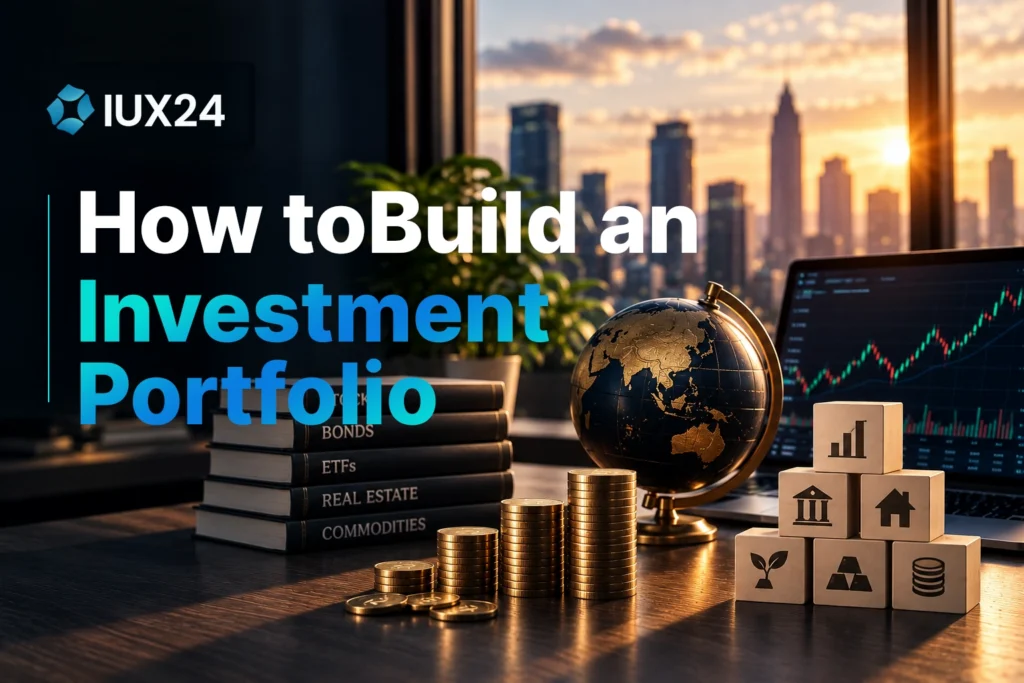
A self-directed brokerage account lets you choose your own stocks, bonds, ETFs, mutual funds, and other investments, depending on the provider.
If you would rather have help managing the portfolio, a robo-advisor can use software to select and manage investments based on information about your goals and risk preferences. A financial adviser is another option for investors who want personal guidance.
Look at the costs before choosing an account. Trading fees, account charges, fund expenses, minimum deposits, and available investments can all make a difference.
Types of Investments for Beginners

Once the account is ready, you need to decide what to invest in.
- Stocks represent ownership in a company. Their prices can move significantly, and some companies pay dividends.
- Bonds are loans made to governments, companies, or other issuers. Investors generally receive interest and the principal is repaid according to the terms of the bond, assuming the issuer meets its obligations.
- Mutual funds pool money from many investors and use it to buy a collection of assets.
- ETFs also hold groups of investments, but their units trade on an exchange. Some follow broad market indexes, while others focus on particular sectors, countries, or asset classes.
Before buying anything, find out what the investment owns, how it can generate returns, what it costs, and what could cause its value to fall.
Understand the Risk
Investments can lose money.
A company’s earnings might disappoint investors. Interest rates can change. An economic slowdown can affect several markets at once. Even a diversified portfolio can decline during a broad market sell-off.
The timeframe attached to your goal matters here.
If you need the money soon, there may be little opportunity to wait through a major decline. A longer timeframe gives you more opportunity to experience different market conditions.
Your own reaction to losses matters too. An investment may look suitable when prices are rising but become difficult to hold when its value drops.
Diversify Your Investments
Putting all your money into one company creates a large dependence on that business.
Diversification spreads your money across different investments. You might hold companies from several industries, along with bonds or funds containing many securities.
If one investment performs badly, it represents only part of the portfolio.
Diversification cannot guarantee profits or prevent losses. Its purpose is to reduce concentration and avoid relying too heavily on a single investment.
Make Investing a Habit
Once you have chosen your investments, decide how you will contribute and review them.
Automatic contributions can make regular investing easier. Instead of trying to decide when the market is at the perfect level, you can add money according to a schedule that fits your budget.
Your portfolio still deserves occasional attention. Your income, expenses, goals, and timeframe can change, and your investments may need to change with them.
There is also no need to react to every market headline. Short-term price movements are part of investing.
Starting Your Investment Journey
Getting started is mainly about making a few decisions in the right order.
Know what you are investing for. Work out how much you can comfortably put aside. Choose an account that suits the way you want to invest, then research the investments available through it.
Pay attention to risk, fees, liquidity, and how the investment works before putting your money into it.
You can start small and increase your contributions later. What matters at the beginning is understanding what you are buying and being comfortable with the possibility that its value will move up and down.


Leave a Reply